No middlemen. No hidden fees. No surprises.
Traditional SES contracts pass through 2–3 layers before reaching the engineer. Each layer takes a margin you never see. Rezon's model is one connection: your brief to a consenting engineer, with the numbers visible on both sides from the start.
How matching works for engineers
Five steps from profile to project — each one with full information.
Create your profile (10 minutes)
Set your primary and secondary tech stack, preferred project types (greenfield, legacy modernisation, infrastructure), availability window, and minimum weekly rate. No lengthy application — just what clients need to match you accurately.
Get matched to projects with disclosed rates
Rezon's matching surfaces projects where your stack and availability align. Every listing includes the full weekly rate — not a range that disappears after you apply, but the actual number the client has budgeted.
Review the full project brief
Read the complete project description — stack, remote policy, duration, client sector, and any specific requirements — before you make any commitment. Nothing is withheld at this stage.
Accept or decline — no pressure
Your decision. Declining has no effect on future matching. Accept only projects you're genuinely interested in — that's what makes the first client call productive for both sides.
Work directly, paid on agreed terms
Engagement is direct between you and the client. Payment terms, invoicing schedule, and IP ownership are specified in the contract before work starts. Rezon steps back after the match is complete.
How matching works for clients
Three steps to pre-aligned engineers — no wasted screening calls.
Submit your project brief
Describe the project — tech stack, duration, remote policy, Japanese language requirement, and your weekly rate budget. Rezon provides a structured brief template so nothing important is missing. Brief is reviewed by Rezon before posting.
Rezon matches qualified engineers who consent
Engineers see the brief and the rate. Only those who read it, confirm the rate works for them, and actively express interest are forwarded. No engineers are submitted without their explicit agreement.
First intro call, already aligned
The engineer you meet knows the brief, knows the rate, and chose to be there. Your intro call covers technical depth and team culture — not rate negotiation or project explanation. Start working faster.
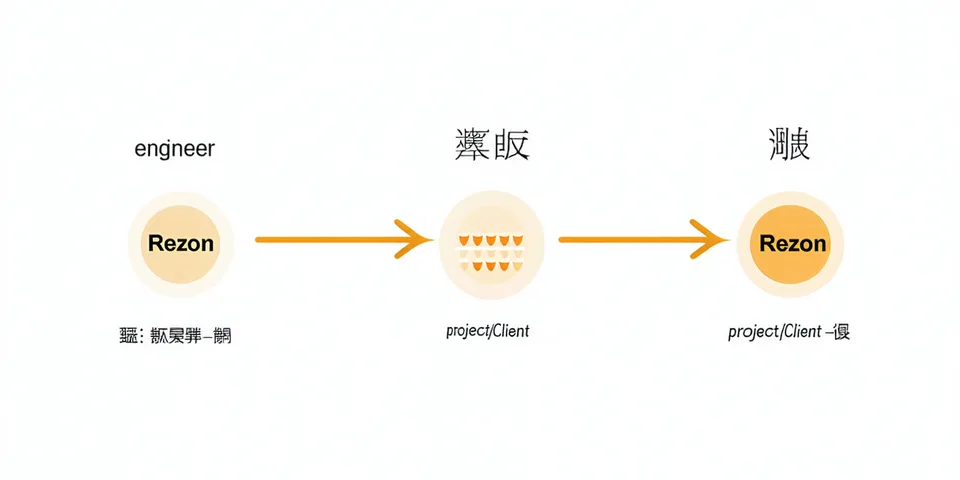
How the rate breakdown actually works
In traditional SES, the difference between what the client pays and what the engineer receives is undisclosed by design. Rezon shows both numbers to both parties.
| Item | Weekly amount (JPY) |
|---|---|
|
Engineer receives
Paid directly to engineer. This is the rate shown on the listing. |
¥200,000 |
|
Rezon service fee
Billed separately to client. Not subtracted from engineer rate. |
¥20,000 |
| Total client cost | ¥220,000 |
In traditional SES, the difference between what the client pays and what the engineer receives is never stated. The gap exists; it is simply not discussed. Rezon discloses both figures. Engineers see what they earn. Clients see what they pay. Neither side is left to calculate the margin themselves.